
KindMind Story: The human brand
Latest news have revealed ugly truth behind world’s elite and how do they use their power and millions from their brands and companies. This can’t go on like this anymore. There has to be better, human way of creating brands and making decent profit. I have been part of marketing and branding machinery about 26 years. I’ve been privileged to be part of the most beautiful and effective brand campaigns and work with wonderful professionals. But my most important work is being mum. What do I leave behind to my children? What can I do through my professional self to ease the anxiety of my teen and guide my little one to be influenced by the right brands? It was time to give birth to my third child: KindMind. Company for human brands for kind world.
By the time an American child is three years old, they can recognise an average of over 100 brand logos. This could be good news if all the logos would encourage this little human to pursuit his/her dreams and ensure balanced self-image. KindMind was born to simply make brands more kind. To help brands to find their true place and purpose in people’s lives. When brand starts dialoque and treats us like people and not as “consumers” the concept of good money steps in. Trough good money brands can use their voice and communication to build new kind biz to this confusing, consuming centered world and its one-way street business structures.
Small change of perspective can transform the whole business into good money biz. And now your’re thinking perhaps what good money means? One of my favorite quotes comes from Hamlet: “There is nothing either good or bad but thinking makes it so”. So there for good money is money made with good intentions and fair exchange. Good money leaves it owners in peace to enjoy their success and makes good money doners satisfied. Brands can create pivotal change to people’s lives. Story of Kansas Wheat from 1939 inspired KindMind to pursuit kind world by helping create this kind of concrete perspective changes to all brands in the world. When Kansas Wheat owners realised women used their sacs to make clothes for their children, the mills started using patterned fabric to their sacks so kids would have pretty clothes. The label would wash out. Beautiful. Just beautiful.
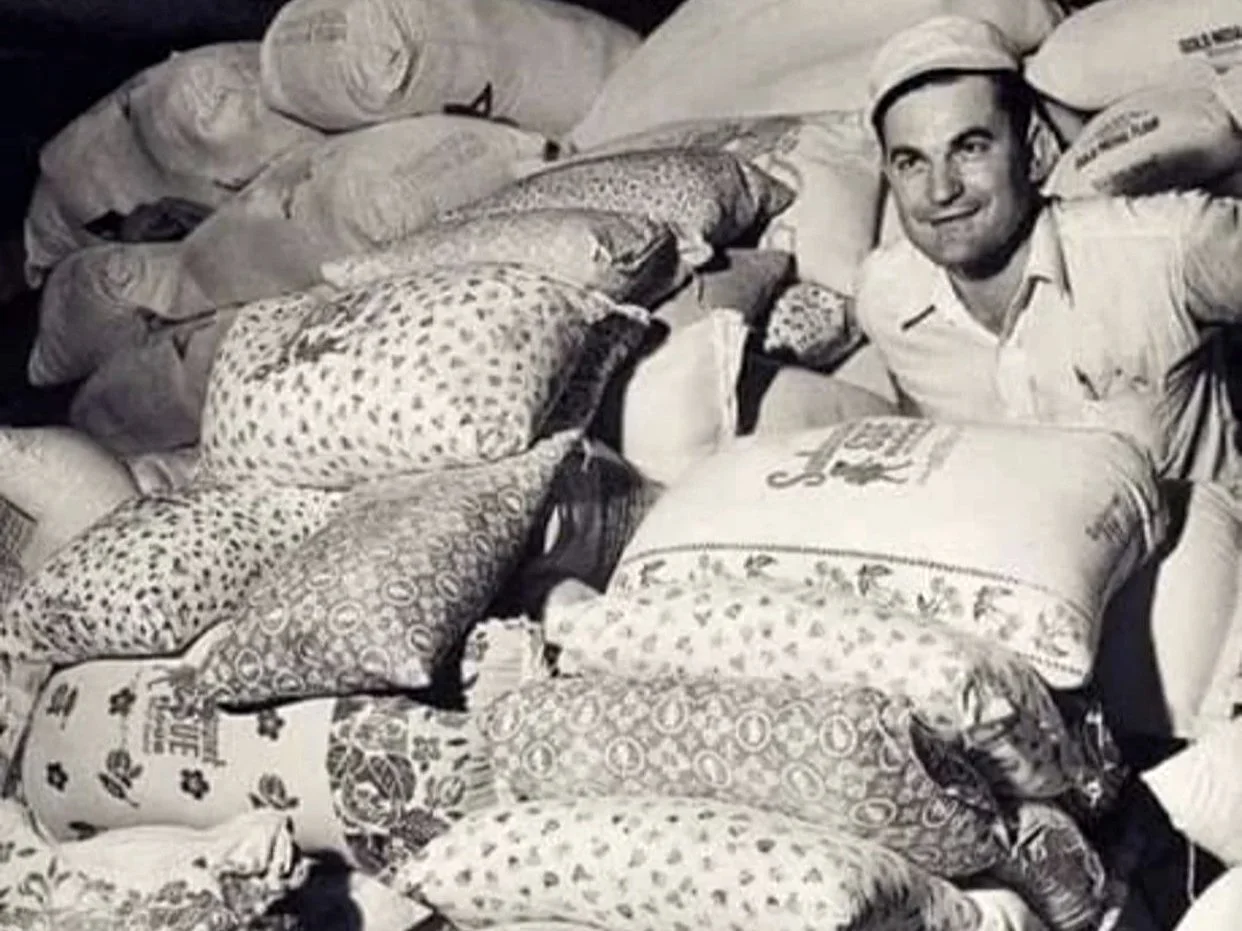
Kansas Wheat 1939. When they realised women used their sacs to make clothes for their children, the mills started using flowered fabric to their sacks so kids would have pretty clothes. The label would wash out.